

 The above picture includes 1/4 of a red bell pepper, frozen peas/carrots, 2 eggs, 1/4 of a red onion, lap cheong (Chinese sausage). Often i personally use bok choy, broccoli, cabbage, child corn, chicken, shrimp, chicken, floor meat, scallops…well, you will get the picture. I’ve written a recipe for deep-fried rice currently, so as opposed to another dish, I’m going to explore a number of the secrets that produce the positively best deep-fried rice on earth. I may duplicate some of what I’ve written early in the day, but its worth the look over.
Key no. 1: The Rice Just freshly cooked rice is hot, steamy, very wet and somewhat gluey. All those things would make a rather clumpy and soggy fried rice. Thats really why day-old rice helps make the most useful fried rice (storing when you look at the fridge dries from rice). My deep-fried rice is flaky, light – enabling the patient flavors of components to really shine through. I more often than not utilize Jasmine Rice for fried rice. Easily like to make fried rice and don’t occur to have day-old rice available, here’s the thing I do: Make a batch of rice, except usage 1/4 to 1/3 less water. This creates a rice which a little drier.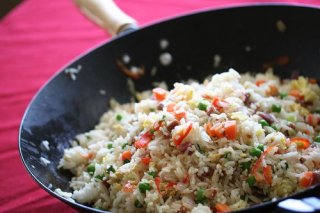 when the rice is completed cooking, distribute it on a baking sheet so cool it off and let the vapor (dampness) escape. Don’t you will need to fry the rice until its completely cool. You'll put the baking sheet within the refrigerator, fridge or available screen to expedite the process.
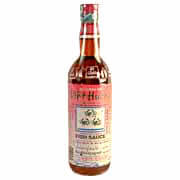
Key no. 2: The Fish Sauce a lot of my non-Asian pals will respond with “ewwwww…..fish sauce?” But let me make it clear, many dishes supported in a Thai or Vietnamese restaurant contain seafood sauce. Its like SE Asian version of salt. Plus, do you know exactly what Worchestershire Sauce consists of?!?! Just like anchovy paste in Italian cooking, some goes quite a distance as soon as you cook it in a dish, I’ll bet you ten dollars you can’t even choose the flavor from it. I Personally Use a brand called “Three Crabs”
Share this Post
latest post
-
 Oriental Recipes October 8, 2026
 -
 Chinese food recipes Pictures September 18, 2026
 -
 Oriental side dishes August 29, 2026
 -
 Unique Cuisine of China August 9, 2026
 -
 Chinese food best dishes July 20, 2026
 -
 Asian food with Chicken June 30, 2026
 -
 Recipes of Chinese June 10, 2026
 -
 Description of Chinese dishes May 21, 2026
 -
 Chinese Restaurant Foods April 21, 2026