

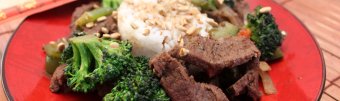
With Americans increased demand for healthiest meals there is certainly a spiked curiosity about Asian tastes and cooking techniques. The wide variety and sheer quantity of Asian spices and spruce blends supply both intense tastes and healthy foodstuffs being hard to match in several various other worldwide cuisines.
Asian meals have actually a necessary culinary reputation for their distinct aromas and tastes that are appearing is very gratifying into the ever-increasing elegance for the United states palate. Many folks are at the very least notably knowledgeable about the Asian flavors of ginger, hoisin, sesame and terryaki sauce, the more adventurous foodies have become more content with curry powders, kimchis and sambals. Asian seasoning combinations as well as having well-balanced designs and flavors will also be visually attractive.
Asian spruce blends are recognized for supplying perfect stability of fragrant, hot, savory, bad and sweet feelings every single dinner. The herbs that are typically found in Asian food tend to be basil, cassia (cinnamon), cilantro, coriander, chiles, cloves, cumin, galangal, garlic, ginger, lemongrass, spearmint, celebrity anise and turmeric. Fresh leafy spices also perform an important role in garnishing plates you need to include basil, cilantro, lemongrass, mint and scallions.
Understanding Asian Regions
It's incorrect to lump all Asian cuisines together, as there's much to know about the subtle variations across the region. Some components have a wider attraction particularly curry, seafood sauce, garlic, ginger, celebrity anise and soy sauce. But to completely appreciate the location it is important to comprehend the different flavor choices being drawn through the diverse ethnic experiences regarding the Chinese, Indians, Koreans, Japanese, Thais and Vietnamese.
It is more difficult because of the role that faith performs throughout the area as some specific components are chosen as well as others prohibited across the Buddhist, Christian, Hindu, Jewish and Muslim faiths. Due to this there are several varieties of spice combinations utilized in organizing meat, chicken, seafood and vegetable dishes.
Chinese food includes the increasingly popular Sichuan Cuisine which is affected greatly by chilli peppers, purple chili oil and Sichuan peppercorns. Indian cuisine makes use of a lot more spice and seasoning ingredients than Western chefs including some exotic herbs and seasonings like Asafetida, saffron and garam masala. Korean food greatly revolves across the planning of steamed rice, vegetables and beef. The usage of Kimchi, or fermented vegetables, is extremely well-known in Korean cuisine and is offered with many dishes. Japanese cuisine incorporates a large amount of rice and some ingredients that are not as popular in Western cooking such as bamboo shoots, seaweed and lotus root. Food preparation in Thailand will pay significant amounts of awareness of information. It is also special because the base of numerous dishes is a fish sauce that is fragrant and salty (and it is made from fermented seafood). Instead of rice, Vietnamese food features rice noodles in a lot of of their meals as well as fish and shellfish.
Food Planning and Presentation
Dinner planning and presentation from this area in addition differs significantly from the United States. In this country we tend to separate the food groups on our plates. There’s a designated place for the grains, meat, potatoes, spaghetti and veggies while sweet tastes are relegated to after meal desserts. In Asian cuisine, stability and equilibrium perform a central role as well as the result is a blending of preferences and designs within a meal including combining savory and nice tastes. Chinese cooking strives to blend six tastes into each meal –bitter, salty, bad, spicy, sweet and umami (a long lasting meaty or brothy flavor). In Indian cooking, they also favor managing six tastes – astringent (creates a puckering feeling), bitter, salty, sour, spicy and nice. The sophistication of the cuisines truly doesn’t end with mastering tastes and textures. Great attention can also be allocated to managing sensations to market ideal food digestion. This means meals for a lot of dishes tend to be supported cool, hot, dry, moist, light or heavy.
Share this Post
latest post
-
 Oriental Recipes October 8, 2026
 -
 Chinese food recipes Pictures September 18, 2026
 -
 Oriental side dishes August 29, 2026
 -
 Unique Cuisine of China August 9, 2026
 -
 Chinese food best dishes July 20, 2026
 -
 Asian food with Chicken June 30, 2026
 -
 Recipes of Chinese June 10, 2026
 -
 Description of Chinese dishes May 21, 2026
 -
 Chinese Restaurant Foods April 21, 2026